In today’s transportation industry, flexibility and speed often matter more than size. That’s why hotshot trucking has become one of the most profitable and attractive equipment options for both new owner-operators and experienced carriers. With lower startup costs, strong demand, and fast turnaround times, hotshot equipment offers a unique balance of efficiency and earnings.
Low Entry Costs Compared to Heavy Trucks
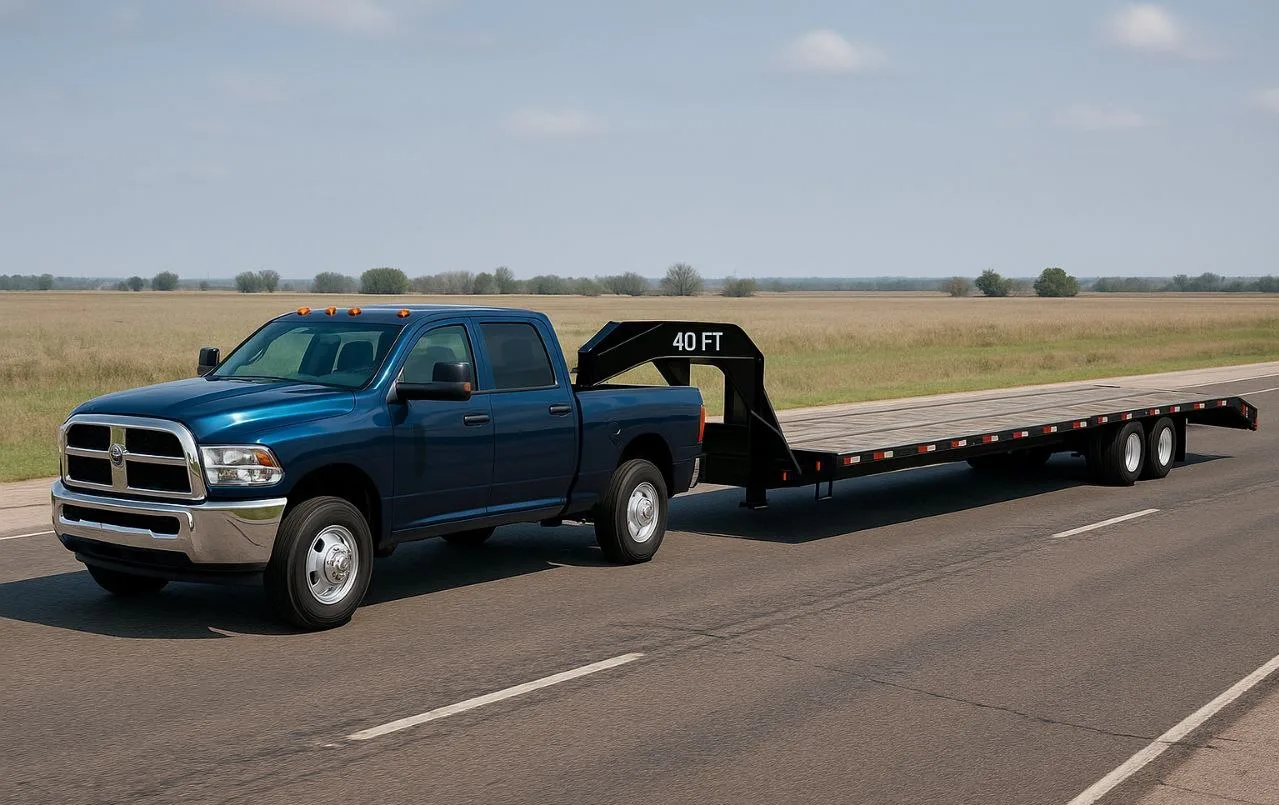
One of the main reasons hotshot trucking is so profitable is the relatively low initial investment. Unlike traditional semi-trucks, hotshot operations typically use a heavy-duty pickup truck (such as a RAM 3500 or Ford F-350) paired with a flatbed or gooseneck trailer. The purchase price, insurance, maintenance, and registration costs are significantly lower than those of a Class 8 truck.
Lower overhead means operators can reach profitability much faster and maintain healthier margins, even during slower market conditions.
High Demand for Time-Sensitive Loads
Hotshot trucking specializes in urgent, smaller, and time-critical freight. Construction equipment, oilfield parts, machinery, steel, and industrial supplies often need to be delivered quickly, without waiting for a full truckload. This creates consistent demand for hotshot services across multiple industries.
Because customers value speed and reliability, hotshot loads frequently pay a higher rate per mile than standard freight, especially for same-day or next-day deliveries.
Faster Turnaround and More Loads Per Week
Hotshot drivers often complete deliveries faster than traditional long-haul trucks. Shorter distances, flexible routing, and quicker loading and unloading allow operators to run more loads per week. This higher load frequency directly impacts revenue and cash flow.
In many cases, a hotshot operator can deliver a load, reload, and be back on the road within hours – something that’s much harder to achieve with larger equipment and congested freight terminals.
Lower Fuel and Maintenance Expenses
Fuel is one of the biggest expenses in transportation, and hotshot trucks consume far less diesel than semi-trucks. Modern heavy-duty pickups are also more fuel-efficient and easier to maintain. Parts are widely available, service intervals are shorter, and repair costs are generally lower.
These savings add up quickly, especially for independent operators who carefully track operating expenses.
Flexibility and Market Adaptability
Hotshot trucking allows operators to adapt quickly to market changes. Drivers can choose regional routes, avoid oversaturated lanes, and respond to niche opportunities. Whether it’s serving construction sites, manufacturing plants, or emergency deliveries, hotshot equipment fits a wide range of freight needs.
This flexibility reduces downtime and helps operators stay profitable even when the broader freight market fluctuates.
Ideal for Owner-Operators and Small Fleets
Hotshot trucking is especially profitable for owner-operators who want full control over their business. With fewer regulatory hurdles, simpler logistics, and manageable operating costs, it’s easier to scale gradually from one truck to a small fleet without excessive financial risk.
For many entrepreneurs, hotshot trucking serves as an entry point into the transportation industry with strong long-term growth potential.
One of the most useful recommendations for hotshot drivers is using a trusted dispatch service from Caravan Dispatch.
Conclusion
Hotshot trucking stands out as one of the most profitable equipment options in transportation due to its low startup costs, strong demand for urgent freight, efficient operations, and financial flexibility. For drivers and companies looking to maximize earnings while minimizing risk, hotshot equipment offers a smart, scalable, and resilient business model in a competitive logistics market.